
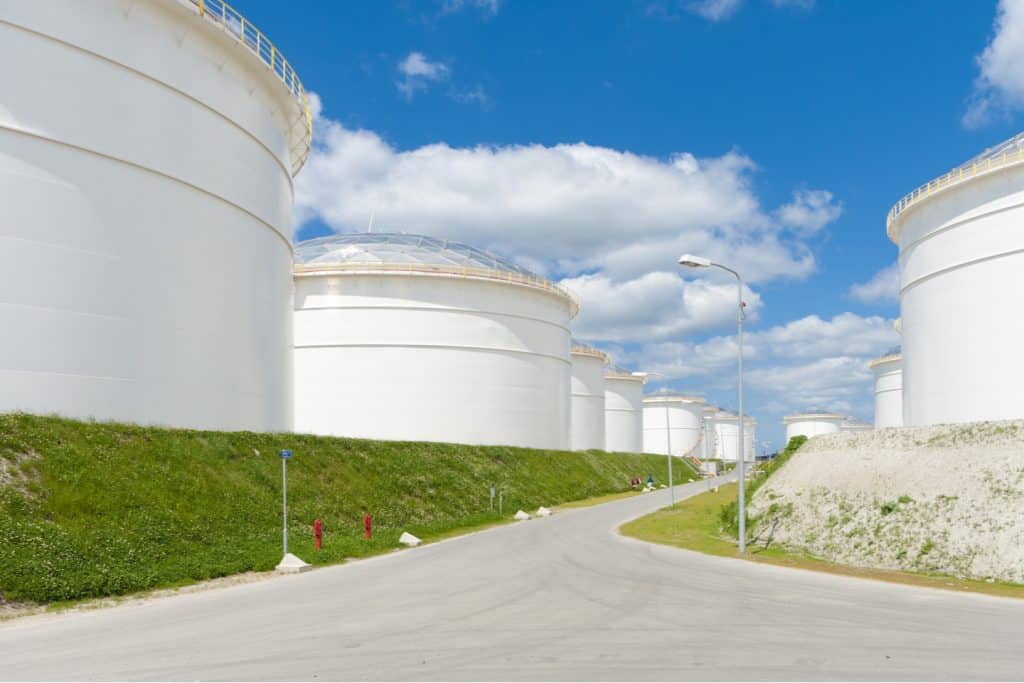
If you’re responsible for a storage tank holding chemicals, petroleum, water, or temperature-sensitive products, you already know the roof isn’t decorative. It’s working around the clock to maintain stable conditions inside while standing up to everything nature throws at it. But not all tank roofing systems are created equal. Some are repurposed from building roofs. Others are custom-engineered from the ground up to fit your exact tank dimensions and handle your specific operating conditions. The difference shows up in energy costs, product integrity, and how long your system actually lasts. Let’s talk about what makes a tank roofing system work—and what to look for when you need one that won’t let you down.
What Are Tank Roofing Systems
A tank roofing system is more than metal panels bolted to the top of your storage tank. It’s a complete thermal barrier engineered to manage heat transfer, prevent moisture intrusion, and withstand environmental stress—all while keeping your stored products at the temperature they need to stay viable.
Most systems combine insulation materials with metal sheathing, but the real difference is in how they’re designed. Custom-engineered systems are built to your tank’s exact specifications—diameter, height, roof shape, operating temperature range, and local wind loads. They’re not one-size-fits-all solutions adapted to sort of work. They’re purpose-built to perform.
The best systems are designed to move independently from the tank itself. This matters because tanks expand and contract with temperature changes. A rigid system that can’t accommodate that movement will crack, separate, or fail at the seams. Systems engineered with thermal movement in mind stay intact through temperature swings and weather extremes, maintaining their seal and insulation properties year after year.
How Tank Roof Insulation Controls Temperature
Temperature control is the primary job of any insulated tank roof system, and it’s more complex than just keeping heat in or out. Your stored materials have an optimal temperature range. Step outside that range and you risk product degradation, increased evaporation loss, or even safety hazards with volatile substances.
Insulated tank roof benefits start with thermal resistance. The insulation layer—whether it’s polyisocyanurate foam, mineral wool, or another material—creates a barrier that slows heat transfer between the inside of your tank and the outside environment. In summer, it keeps solar radiation from heating your product. In winter, it prevents heat loss that could cause freezing or require constant reheating.
But insulation alone isn’t enough. The metal sheathing that covers the insulation serves multiple purposes. It protects the insulation from weather damage, provides structural support, and reflects additional heat. The combination of insulation and sheathing creates a complete thermal envelope.
Advanced systems use double-layer insulation for extreme temperature applications. If you’re storing materials at -50°F or products that need to stay above 500°F, a single layer won’t cut it. The inner layer handles the extreme temperature differential while the outer layer provides additional resistance and moisture protection. This layered approach extends the temperature range the system can handle and improves long-term performance.
The real test of any storage tank roof system comes down to consistency. Your product needs stable temperatures day and night, summer and winter. A well-designed insulated tank roof delivers that stability while reducing the energy required to maintain it. That’s where you see the return on investment—not just in lower utility bills, but in product quality and reduced loss from temperature-related issues.
Weatherproof Tank Roof Insulation and Wind Engineering
Weather is relentless, and your tank roof takes the full force of it. Rain, snow, ice, UV radiation, and wind—especially wind—put constant stress on roofing systems. In Nassau County, NY and across the region, you deal with nor’easters, summer storms, and occasional hurricanes. Your tank roof needs to handle all of it without compromising the insulation underneath.
Weatherproof tank roof insulation starts with how the panels connect to each other. Standing seam designs use double-rolled seams that create a watertight seal between panels. Water can’t penetrate these seams, which means the insulation stays dry and effective. Wet insulation loses its thermal resistance and can lead to corrosion under the metal sheathing—a problem that’s expensive to fix and can compromise your entire tank.
Wind engineering is where many systems fail. A roof system that isn’t designed for your specific wind loads can lift, separate, or blow off entirely in severe weather. Engineers calculate wind loads based on your location, tank height, roof shape, and local building codes. The attachment method—whether it’s welded clips, cable systems, or banding—needs to resist the uplift forces that wind creates.
The best tank roofing systems are engineered to withstand winds up to 150 mph. That’s hurricane-force wind. The panels are secured in a way that distributes wind loads across the entire system rather than concentrating stress at individual attachment points. This approach prevents the progressive failure you see when one panel lifts and creates a weak point that allows adjacent panels to fail.
Thermal expansion adds another layer of complexity. Metal expands when it heats up and contracts when it cools down. If your roof system can’t accommodate that movement, you get buckling, stress cracks, and eventual failure. Systems designed with expansion joints and flexible attachment points move with temperature changes while maintaining their weatherproof seal. The panels stay secure, the insulation stays protected, and your system continues performing regardless of weather conditions.
Why Tank Roofing Systems Matter for Long-Term Durability
Durability isn’t just about surviving the next storm. It’s about maintaining performance for 20, 30, or 40 years with minimal maintenance. That kind of longevity comes from material selection, engineering quality, and understanding how these systems actually fail.
Cheap systems fail fast. They use thinner metals that corrode, insulation that compresses and loses effectiveness, and attachment methods that can’t handle thermal cycling. You save money upfront and pay for it repeatedly in repairs, energy costs, and eventual replacement.
Quality systems cost more initially but deliver value over time. Corrosion-resistant aluminum sheathing doesn’t rust. High-density insulation maintains its R-value year after year. Properly engineered attachment systems accommodate movement without loosening or failing. The result is a system that performs as well in year 20 as it did on day one.
Energy Efficiency and Operating Cost Reduction
Every degree of temperature you lose through an uninsulated or poorly insulated tank roof costs you money. If you’re heating a tank, you’re burning fuel to replace that lost heat. If you’re cooling a tank, your chillers are working overtime to remove heat that’s radiating in through the roof. Either way, you’re paying for energy that’s accomplishing nothing except compensating for an inadequate roof system.
The numbers tell the story. Storage tank insulation systems typically pay for themselves in six to eight months through energy savings alone. That’s not a long-term investment—it’s a short-term no-brainer. After that payback period, every dollar you save drops straight to your bottom line.
But energy savings aren’t the only financial benefit. Better temperature control means less product loss from evaporation, less risk of product degradation, and more consistent quality. If you’re storing volatile materials, reducing temperature swings reduces “breathing losses”—the expansion and contraction that forces vapors out through vents. Those vapors represent lost product and, in many cases, environmental compliance issues that matter in regulated areas like Nassau County, NY.
Maintenance costs drop too. A well-engineered system doesn’t require constant attention. The weatherproof design keeps moisture out, preventing corrosion. The durable materials resist UV damage and physical wear. The attachment systems stay secure through thermal cycling. You’re not calling contractors every year to patch leaks or replace failed sections.
The long-term cost picture is clear. An insulated tank roof system that’s properly designed and installed costs less to operate, requires less maintenance, and lasts longer than alternatives. The initial investment is higher, but the total cost of ownership over the system’s life is dramatically lower. That’s why organizations that understand the numbers choose engineered systems over cheap alternatives.
Material Selection and Corrosion Resistance
The materials that make up your tank roofing system determine how long it lasts and how well it performs. This isn’t an area where you want to compromise, because material failures lead to system failures—and system failures are expensive.
Insulation materials vary in their temperature range, moisture resistance, and compressive strength. Polyisocyanurate foam offers excellent thermal resistance per inch of thickness and works well in moderate temperature applications. Mineral wool handles higher temperatures—up to 700°C in some formulations—and provides fire resistance. Foam glass is impermeable to moisture and handles both extreme cold and high heat. The right choice depends on what you’re storing and your operating conditions.
Metal sheathing protects the insulation and provides structural support. Aluminum is the most common choice for good reasons. It doesn’t rust, it reflects heat, it’s lightweight, and it’s available in various thicknesses and finishes. Stainless steel costs more but offers superior durability in corrosive environments. Painted galvanized steel is a budget option, but it requires more maintenance and has a shorter lifespan.
Corrosion under insulation is one of the biggest threats to tank roof longevity. It happens when moisture gets trapped between the insulation and the tank surface. The moisture creates an environment where corrosion accelerates, hidden from view until it’s caused significant damage. Preventing CUI requires a complete moisture barrier, properly sealed joints, and insulation materials that don’t absorb water.
The attachment system matters as much as the panels themselves. Welded attachments are permanent and strong, but they penetrate the tank surface and can create leak points. Non-welded systems using cables or bands eliminate those penetrations but require precise engineering to achieve the same wind resistance. The best systems allow installation while your tank remains in service, avoiding costly downtime.
Material quality shows up in performance and longevity. Premium materials cost more upfront but deliver lower total cost of ownership through reduced maintenance, longer service life, and better energy efficiency. When you’re making a 30-year decision, choosing materials based on lowest initial cost is short-sighted.
Choosing the Right Tank Roofing System
Tank roofing systems aren’t commodity products where any option will do. The system that works for a water storage tank in moderate climate won’t perform for a petrochemical tank in an area with extreme weather. Your choice needs to match your specific requirements—tank dimensions, stored products, operating temperatures, local weather conditions, and regulatory requirements.
Custom engineering makes the difference. Systems designed specifically for your tank fit precisely, perform optimally, and last longer than adapted solutions. The engineering process considers every factor that affects performance: thermal loads, wind loads, expansion and contraction, moisture management, and access requirements.
The investment in a quality tank roofing system pays back through energy savings, reduced maintenance, longer service life, and better protection for your stored products. It’s not an expense—it’s infrastructure that protects your operations and reduces your long-term costs. When you need a system that will still be performing decades from now, working with specialists who understand the engineering and have proven experience matters. We’ve been designing and installing these systems for over 40 years, delivering solutions that protect what you store and stand up to whatever weather brings.