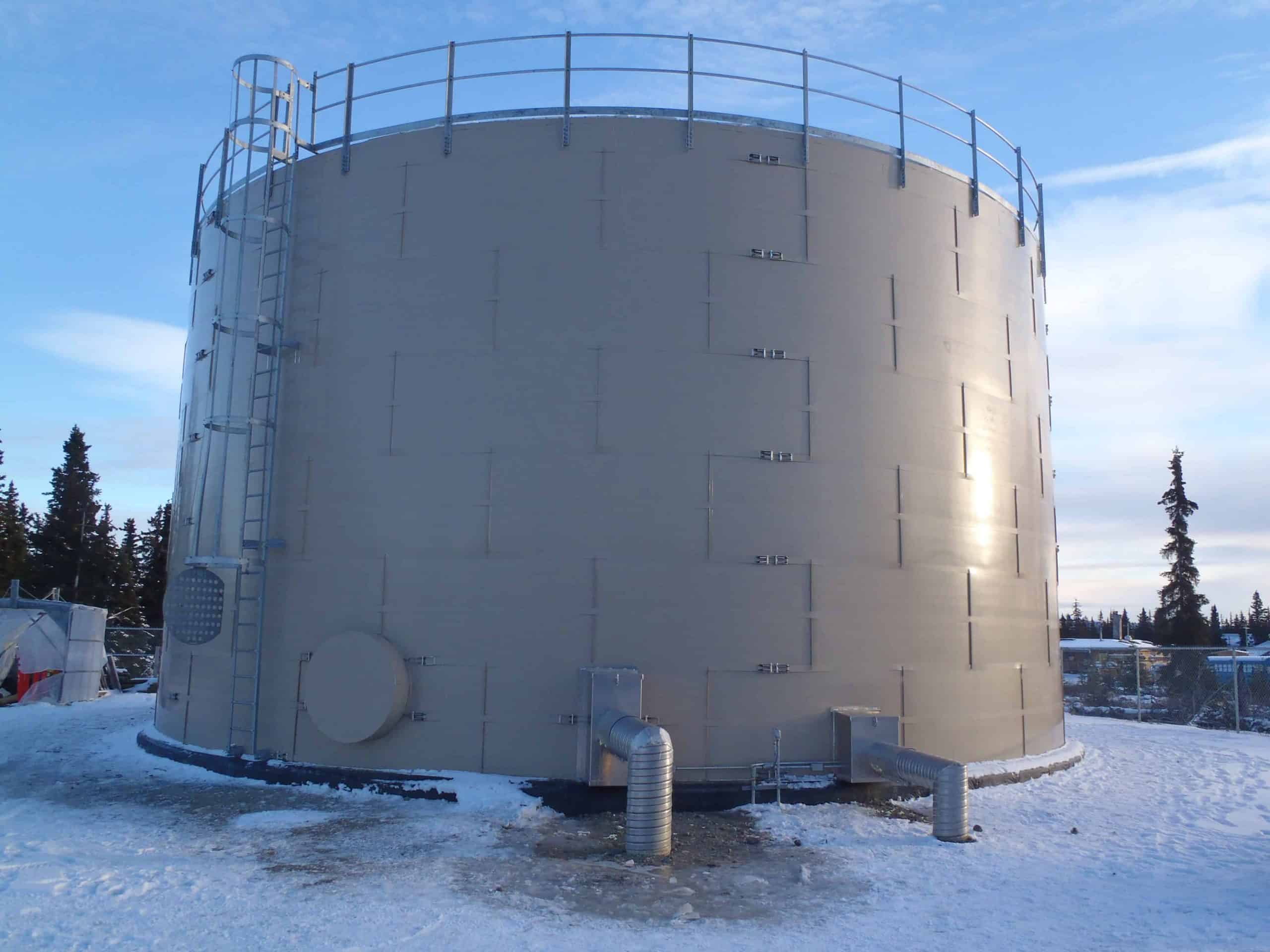
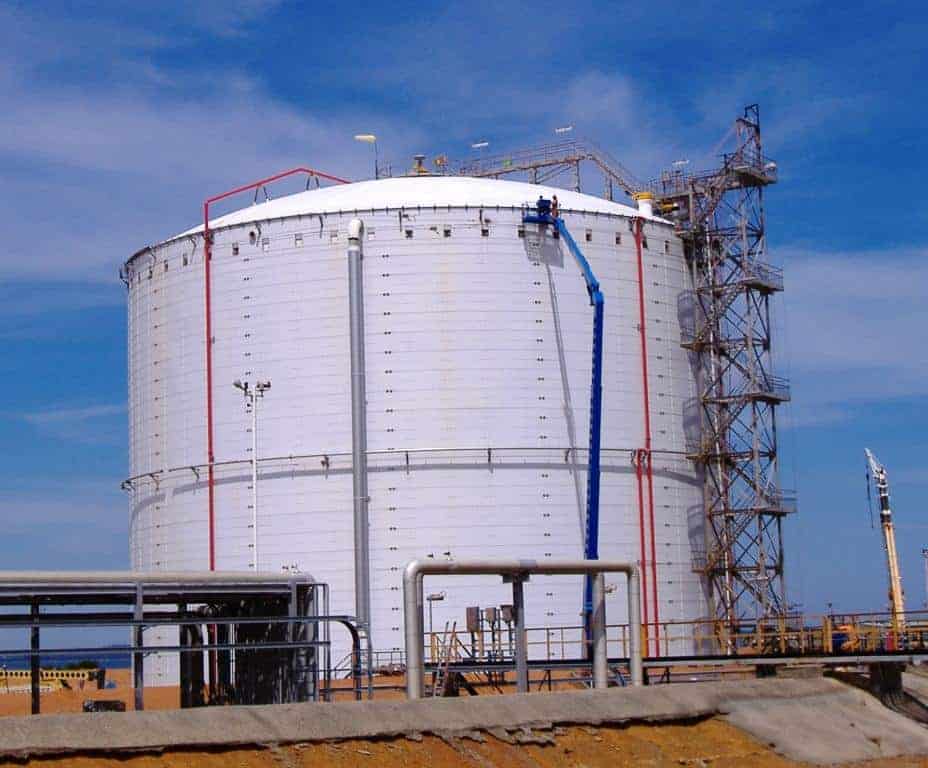
Your storage tank insulation does more than regulate temperature. It prevents corrosion, cuts energy waste, and protects what’s stored inside. But not every system delivers those benefits equally. Material type affects thermal performance. Installation method determines whether you face downtime. Design quality impacts how long the system lasts. Some sidewall tank insulation systems require scaffolding and weeks of work. Others install in days without taking tanks offline. If you’re evaluating options for industrial storage, here’s what separates systems that perform from ones that disappoint.
Why Industrial Sidewall Insulation Protects More Than Temperature
Temperature control matters when you’re storing chemicals, petroleum, or any material sensitive to heat or cold. Without sidewall tank insulation, outside temperatures directly affect what’s inside.
Heat loss drives up energy bills. Temperature swings cause products to solidify or lose the right viscosity. In winter, freezing becomes a legitimate concern.
But there’s another issue most people don’t think about until it’s too late: corrosion. Moisture between your tank shell and the environment accelerates rust. The right tank sidewall insulation systems create a protective barrier for both your product and your asset.
Comparing Insulation Materials: Fiberglass, Foam Glass, and Polystyrene
Walk into any conversation about industrial sidewall insulation and you’ll hear about R-values, moisture resistance, and temperature ranges. Those specs matter because different materials handle different conditions.
Polyisocyanurate foam (polyiso) delivers the highest thermal resistance—R-5.6 to R-7.6 per inch. That’s better insulation in less space. It’s closed-cell, so moisture doesn’t penetrate easily. For most industrial applications running between -40°F and 250°F, polyiso makes sense. It costs more than fiberglass but performs significantly better.
Fiberglass shows up in a lot of projects because it’s affordable and available. R-values sit around R-2.9 to R-3.8 per inch. It works fine in dry, indoor environments. But fiberglass absorbs moisture like a sponge. Once water gets in, thermal performance drops and corrosion risk goes up. That’s why you see it less often on outdoor tanks or in humid climates.
Foam glass solves the moisture problem. It doesn’t absorb water. It doesn’t wick moisture up from the ground. And it maintains performance in wet conditions. That’s why it’s often used at tank bases where ground moisture is an issue. Foam glass is also fireproof and stands up to chemicals. The downside? Cost. It’s one of the more expensive options.
Polystyrene—both EPS and XPS—sits in the middle. More affordable than polyiso, better moisture resistance than fiberglass. EPS delivers around R-4 per inch. XPS hits R-5. Both are rigid, install easily, and handle moderate temperature ranges. They’re a solid choice when budget matters but you still need decent performance.
Your decision comes down to operating temperature, exposure to moisture, and budget reality. A heated petroleum tank near the coast needs different insulation than a water storage tank in Arizona. Match the material to your actual conditions, not just the lowest price.
Vertical Standing Seam vs Horizontal Panel Systems
Sidewall tank insulation systems come in two main types: vertical standing seam panels and horizontal banded panels. The difference isn’t just aesthetic—it affects installation time, maintenance needs, and long-term reliability.
Vertical standing seam systems run full-height panels from tank base to top. Panels are typically 24 inches wide. They connect using a machine-formed standing seam that locks together without exposed fasteners. An internal cable and clip system holds everything in place. No external bands. No exposed screws that can loosen or rust.
Installation goes faster because you don’t need scaffolding. A hydraulic lift gets workers to height. Panels go up, get seamed together, and the job moves along. Less labor time. Fewer materials. Lower cost despite the premium system.
Horizontal panel systems stack in rings around the tank. Start at the bottom, work your way up. Each panel is factory-curved to match your tank’s radius. External bands—usually aluminum or stainless steel—hold panels in place. Tensioned assemblies within those bands allow for expansion and contraction as temperatures change.
Here’s where horizontal systems run into trouble: they need scaffolding. That means more setup time and higher labor costs. Panels can crack during installation because they’re being handled more. And moisture intrusion is more likely. Those horizontal seams create entry points for water. If moisture gets in, panels can buckle. In worst cases, the whole system fails.
Vertical systems avoid most of those headaches. The standing seam design is inherently weather-tight. Fewer horizontal joints mean fewer places for water to enter. And there’s virtually no maintenance—no bands to adjust, no fasteners to tighten.
Both systems work. But if you’re looking at 15-20 years of service life with minimal maintenance, vertical standing seam panels are the smarter bet. Horizontal systems still have their place, especially when tank geometry or specific project requirements make them the better fit.
How Installation Method Affects Downtime and Cost
Installation method determines more than just how long the project takes. It decides whether your tank goes offline, how much labor you need, and what permits you’re dealing with.
Traditional approaches often require welding brackets or supports directly to the tank shell. That triggers hot work permits, fire watch requirements, and safety protocols. More importantly, it usually means emptying the tank and taking it out of service.
Non-welded installation methods eliminate most of those complications. Systems using cable attachments or external banding install while tanks stay operational. No welding. No hot work permits. No downtime.
Installing Tank Insulation While Tanks Remain in Service
Keeping tanks operational during insulation installation saves you time and money. But it requires a system specifically designed for in-service installation.
We design pre-engineered vertical standing seam systems that make this possible. Stainless steel cables wrap around the tank at specific intervals. Panels attach to these cables using clips hidden inside the standing seam. Nothing penetrates the tank shell. No welding required.
Horizontal systems can also go up without welding, though they rely on external banding instead of internal cables. Bands wrap around the tank and secure the panels. Tensioned assemblies built into the bands accommodate thermal expansion and contraction.
The process is straightforward. For vertical systems, workers use a climbing basket or hydraulic lift. Panels get lifted into position and seamed together with a portable machine. No scaffolding to build. No welding crew to coordinate. The work moves quickly.
Horizontal systems start at the tank base and build upward. Each ring of panels gets secured before moving to the next level. It’s more labor-intensive than vertical installation, but still faster than traditional methods that require welding and scaffolding.
Both approaches keep your operations running. Product stays in the tank. You avoid the costs of downtime—lost production, restart procedures, schedule disruptions. For some facilities, that’s worth more than the insulation itself.
This matters most when you can’t afford to take tanks offline. If you’re storing temperature-sensitive materials that need constant heating or cooling, maintaining service during installation isn’t just convenient—it’s essential. Continuous operations don’t stop for maintenance projects unless absolutely necessary.
Balancing Appearance With Performance in Tank Insulation
Tank insulation serves a functional purpose first. But if your tanks sit near public roads, customer areas, or anywhere visible, appearance matters too.
A deteriorating, rust-stained tank doesn’t reflect well on your operation. Clean, professional-looking insulation systems improve facility appearance and signal that you maintain your equipment properly.
Color selection makes a real difference. Most systems offer multiple sheathing colors—white, tan, gray, plus custom options. You can match tanks to surrounding buildings or choose lighter colors that reflect sunlight and reduce heat gain. In hot climates, that color choice actually affects thermal performance.
Finish quality varies between manufacturers. Stucco-embossed aluminum provides a clean, uniform look. Painted steel offers more color flexibility with a smooth surface. Stainless steel delivers maximum durability and corrosion resistance, though it costs more.
But here’s the thing: aesthetics shouldn’t override performance. A system that looks great but fails in five years because of moisture problems or material breakdown isn’t a good investment. The best approach balances both—reliable performance that also meets visual standards.
Pre-engineered systems generally look cleaner than field-fabricated solutions. Factory-curved panels fit precisely to your tank’s radius. Standing seams run straight and uniform. There are no exposed fasteners or bands that will rust and streak over time.
If your tanks are visible to the public or appearance matters for your facility image, discuss options upfront. We can deliver systems that perform well and look professional. You shouldn’t have to sacrifice one for the other.
Making the Right Choice for Your Tank Insulation Project
Sidewall tank insulation protects your investment, cuts operating costs, and extends equipment life. But those benefits only show up when you choose a system matched to your actual needs.
Material selection matters. Polyiso offers the best thermal performance. Foam glass handles moisture. Fiberglass costs less but has clear limitations. Installation method determines downtime and labor costs. Vertical systems install faster and need less maintenance than horizontal alternatives.
The right choice depends on your operating conditions, budget constraints, and what you’re trying to accomplish. If you’re evaluating sidewall tank insulation systems for industrial storage in Nassau County, NY, we design and install pre-engineered systems tailored to your specific application and requirements.