Summary:
Most people hire an insulation contractor once, maybe twice in their lives. But industrial facility managers, plant engineers, and commercial property owners across Nassau County deal with insulation decisions that carry real consequences — energy costs, compliance requirements, and operational continuity. Whether you’re looking at a residential water heater or a large industrial storage tank, the contractor you choose and the method we use will determine how long that system performs and how much it costs you over time. This guide breaks down what professional insulation actually involves, what separates quality work from shortcuts, and how we approach both residential and commercial applications across Long Island.
Insulation for Hot Water Heater: What Homeowners and Facility Managers Both Get Wrong
Water heater insulation sounds simple. In practice, it’s one of the most misunderstood services in the insulation space. The U.S. Department of Energy estimates that water heating accounts for roughly 18% of a home’s total energy use — and standby heat loss from a poorly insulated tank can account for a significant chunk of that waste. For Nassau County homeowners dealing with New York’s above-average electricity rates, that’s a real monthly cost, not a theoretical one.
The confusion usually starts with assumptions. Many people assume newer water heaters are already well-insulated. Some are — but if your tank feels warm to the touch, it’s losing heat it shouldn’t be. A tank with an R-value below 24 is a candidate for added insulation, regardless of age.
Insulation for Water Heater Tank: What the R-Value on the Label Actually Tells You
The R-value on a water heater tank measures its resistance to heat flow. The higher the number, the better the tank holds its temperature without the burner or heating element cycling on to compensate. Most older tanks — and many installed in Nassau County homes built during the post-WWII Levittown era — were manufactured with R-values well below what’s now considered efficient. That gap between what the tank was built with and what modern efficiency standards recommend is where energy dollars disappear.
For electric water heaters, adding an insulation blanket or jacket can reduce standby heat losses by 25% to 45%, according to the DOE. That translates to roughly 7% to 16% savings on water heating costs — which adds up quickly when you’re paying New York utility rates. For a household spending $600 a year on water heating, that’s potentially $60 to $96 back annually from one relatively inexpensive improvement.
Gas and oil-fired water heaters are a different story. The insulation cannot block the burner’s air supply, interfere with the draft diverter, or cover the thermostat. These aren’t DIY-friendly jobs. A qualified contractor knows exactly where insulation stops and where it creates a hazard. In Nassau County, where a large portion of residential properties still run on oil heat — Long Island has one of the highest concentrations of oil-heated homes in the country — this distinction matters more than it does in most U.S. markets.
The practical takeaway: if your water heater is more than 10 years old and your energy bills feel high relative to your usage, have a professional assess the tank’s insulation rating before assuming the heater itself needs replacing. Sometimes the fix is far simpler and far cheaper than a full replacement.
Wrap Water Heater in Insulation: When It Helps and When It Creates Problems
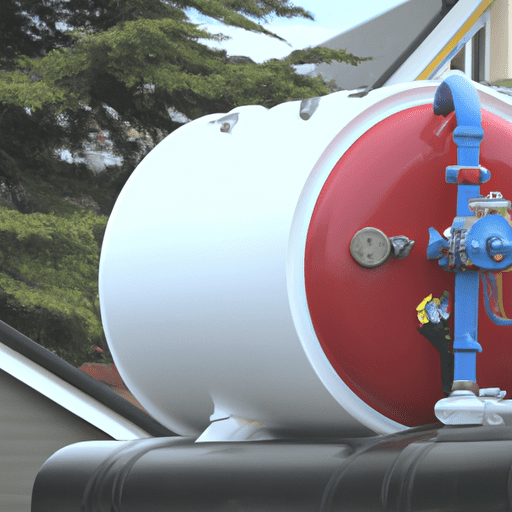
Water heater wraps — sometimes called insulation blankets or jackets — are pre-cut insulation panels designed to fit around a standard water heater tank. They’re widely available, relatively inexpensive, and genuinely effective when installed correctly on the right type of heater. The problem is that “installed correctly” carries more weight than most people realize.
For electric water heaters, a wrap rated at R-11 or higher is generally safe and effective. The wrap goes around the sides and top of the tank, with cutouts left for the controls and pressure relief valve. Done right, it reduces the rate at which the tank loses heat to the surrounding air — meaning the heating element runs less often, and your electricity bill reflects that.
For gas water heaters, the rules change. The wrap cannot cover the top of the tank, the thermostat, the burner compartment, or the flue. Manufacturers of gas water heaters often include specific warnings in their documentation about external insulation — and some explicitly void the warranty if insulation is added improperly. If you’re in a Nassau County home with a gas heater and you’re not sure whether the unit has already been factory-insulated to a sufficient level, the safest move is to call a professional rather than guess.
There’s also the question of newer high-efficiency models. Many water heaters manufactured in the last decade come with foam insulation already built into the tank walls — meaning an external wrap adds little benefit and may actually trap heat in ways that affect the unit’s performance sensors. A contractor who knows the product line can tell you quickly whether a wrap makes sense or whether the money is better spent elsewhere. For Nassau County homeowners weighing every dollar of home improvement spending in a high cost-of-living market, that kind of honest assessment is worth more than a quick sale.
Insulating a Tankless Water Heater: Pipe Protection and System Design
Tankless water heaters eliminate standby heat loss by design — there’s no stored water sitting in a tank, slowly losing temperature to the surrounding air. That’s the primary efficiency argument for going tankless, and it’s a legitimate one. But “no tank” doesn’t mean “no insulation concerns.” There are still pipes, connections, and in some installations, the unit itself that need to be considered — especially in Nassau County’s cold winters, where January temperatures regularly drop below freezing.
The pipes feeding a tankless unit are vulnerable to freezing if they run through uninsulated spaces — crawl spaces, exterior walls, garages, or utility areas that don’t stay warm. Pipe insulation on those supply and outlet lines is a straightforward protective measure that we handle as part of the installation. It’s not glamorous work, but a burst pipe in a Merrick or Baldwin home in February is an expensive reminder that insulation isn’t just about energy efficiency.
Mechanical Insulation Contractors: The Difference Between Residential and Industrial Scope
The term “mechanical insulation” covers a broad range of applications — pipes, ducts, tanks, vessels, and equipment in commercial and industrial settings. It’s a different discipline from residential insulation, and the contractors who do it well have a different skill set, different materials, and different compliance requirements than someone who specializes in attic blow-in or crawl space spray foam.
In industrial settings, mechanical insulation isn’t primarily about comfort. It’s about process control, energy conservation, personnel safety, and regulatory compliance. A pipe carrying steam at 300°F needs insulation that maintains process temperature, prevents condensation on cooler sections, and protects workers from contact burns. A tank storing a food-grade liquid at a controlled temperature needs insulation that maintains that temperature without creating moisture intrusion points that could compromise the product or corrode the tank.
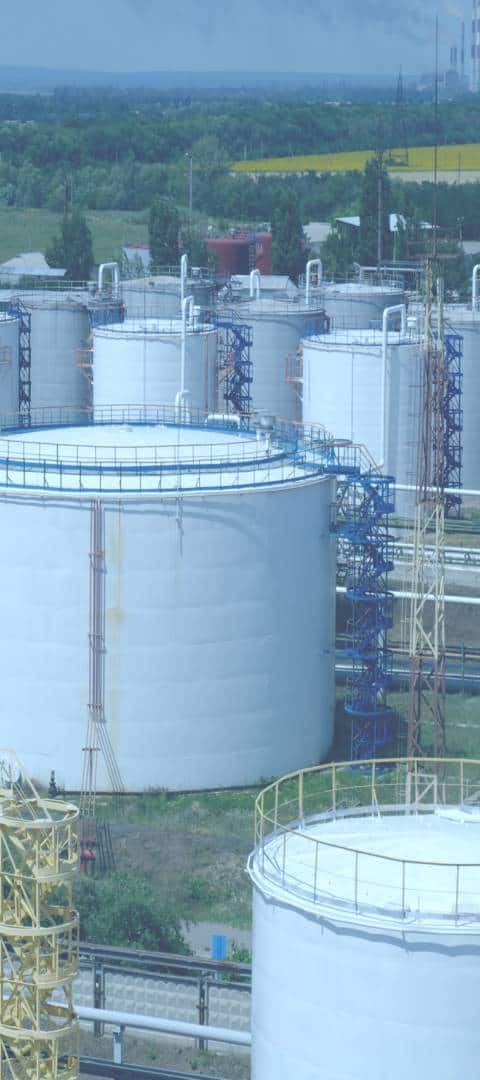
For Nassau County facilities — whether that’s a food processing operation near the JFK airport corridor, a chemical storage facility in Hempstead’s industrial zone, or a municipal water authority managing fire protection infrastructure — the stakes of mechanical insulation decisions are operational, not just financial. Getting it wrong means compliance failures, product loss, equipment damage, or worse.
We work at this level. Our systems are pre-engineered before installation begins, meaning every component is designed for your specific application — not adapted in the field from materials that weren’t built for the job. That distinction matters more than most facility managers realize until they’ve dealt with a system that was improvised rather than engineered.
Tankless Hot Water Heater Insulation: Protecting Pipes in Nassau County's Cold Months
Nassau County’s winters are cold enough to cause real problems for exposed or under-insulated plumbing. The average January low sits around 28°F, and nor’easters can push wind chills well below that. For homeowners who switched to tankless water heaters — a popular upgrade in Nassau County’s aging housing stock — the pipes connected to those units deserve the same attention as the unit itself.
The most vulnerable points are typically the cold water supply line entering the unit and the hot water outlet line leaving it, particularly if either runs through an exterior wall, an unheated garage, or a crawl space. Foam pipe insulation is the standard solution for accessible runs. For pipes inside wall cavities or in more complex routing situations, a contractor familiar with the home’s construction can identify the risk points and recommend the right approach.
There’s also the question of the unit itself in very cold spaces. Most tankless water heaters are designed for conditioned interior spaces. If yours is installed in an unheated utility room or basement that drops below 40°F in winter, the unit’s internal components — including the heat exchanger — can be at risk. Some manufacturers include freeze protection features; others don’t. Knowing which situation you’re in before the temperature drops is the kind of thing a qualified insulation contractor or plumber can assess quickly.
For Nassau County homeowners who made the switch from oil heat as part of a broader home efficiency upgrade, this is often a detail that gets overlooked in the transition. The tankless heater delivers on its efficiency promise — but only if the surrounding system is set up to protect it through the season.
Finding the Right Insulation Contractor in Nassau County, NY
The range of work that falls under “contractor insulation” is wider than most people expect — from a water heater wrap in a Levittown ranch house to a pre-engineered insulation system for an industrial storage tank in a Hempstead facility complex. What stays constant across all of it is that the quality of the contractor determines the quality of the outcome. Materials matter, but so does knowing which materials belong where, how to install them without creating new problems, and how to meet the compliance requirements that govern the work.
For industrial and commercial applications in Nassau County and across Long Island, that means working with a contractor who has genuine engineering depth — not a general contractor who added tank insulation to their service list. It means pre-engineered systems, documented compliance, and installation methods that don’t require shutting your operation down.
If you’re dealing with an industrial tank insulation project, a fire protection water storage system, or a commercial facility with serious thermal management needs, we’ve been doing this work since 1971. Reach out and let’s talk through what your project actually requires.