
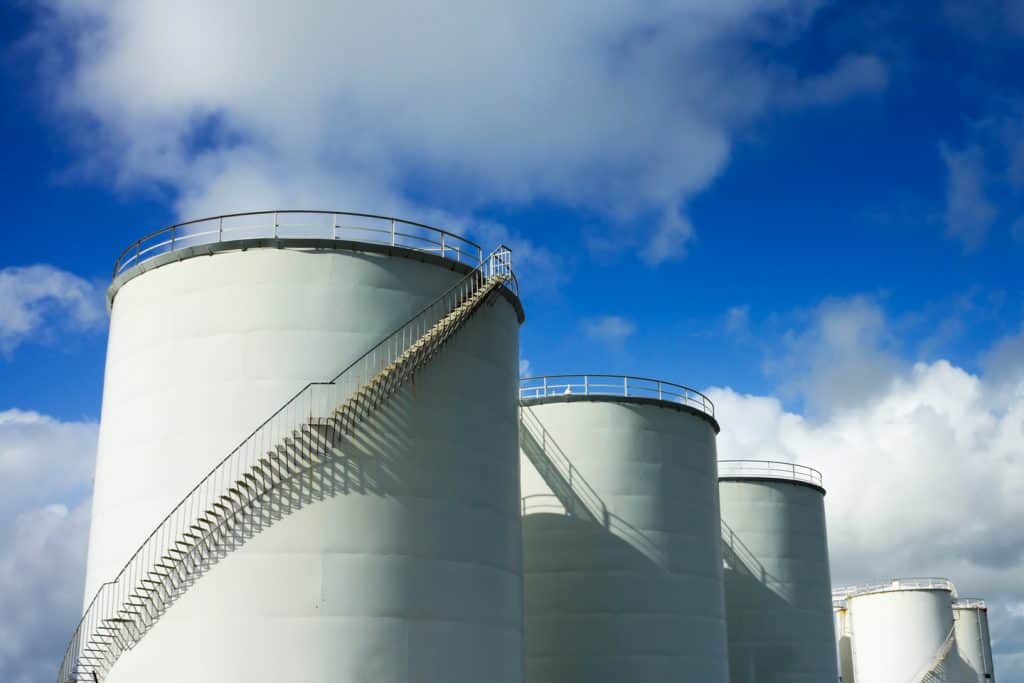
Temperature control isn’t negotiable when you’re storing ammonia, managing industrial refrigeration systems, or running food processing operations. A few degrees off target can mean spoiled product, safety violations, or thousands in wasted energy. You already know your tanks need insulation. What you might not know is how much difference the right system makes—or how quickly the wrong one fails. The insulation systems built for extreme cold storage aren’t the same as standard applications, and understanding what separates reliable performance from expensive problems starts with knowing what you’re actually dealing with.
How Cold Storage Tank Insulation Actually Works
Cold storage tank insulation does one job: it slows heat transfer between your tank contents and the outside environment. When you’re maintaining temperatures at -50°F or managing refrigerated storage, that temperature differential creates constant pressure. Heat wants to move in. Moisture wants to condense. Ice wants to form inside your insulation layers.
The insulation system creates a thermal barrier using materials engineered for sub-zero performance. Most industrial systems use polyisocyanurate foam laminated to aluminum sheathing in varying thicknesses. The foam provides the R-value. The aluminum provides structure and weather protection. Between them, a vapor barrier system prevents moisture infiltration that would compromise everything.
What makes this different from typical insulation is the vapor barrier design. At extreme temperature differentials, water vapor pressure drives moisture toward cold surfaces. Without proper vapor control, that moisture condenses, freezes, and destroys your insulation’s thermal performance within months.
What Temperature Ranges Mean for Material Selection
Not all cold storage operates at the same temperature, and that matters more than you’d think. Ammonia storage systems typically run at -50°F. Thermal energy storage tanks for HVAC systems hold water between 24°F and 40°F. Industrial refrigeration for food processing can range anywhere from -80°F to 130°F depending on the product and process stage.
Each temperature range demands specific insulation materials and vapor barrier configurations. Ammonia tank insulation solutions at -50°F need multi-layer insulation with double vapor barriers because the temperature differential with ambient air creates extreme moisture drive. A single-layer system that works fine for chilled water at 35°F will fail catastrophically in ammonia service within a year.
Material selection also depends on whether your tank operates in heated or refrigerated service. Polyisocyanurate foam works from -40°F to 250°F, making it versatile for most applications. For cryogenic temperatures below -80°F, you need specialized materials like cellular glass or aerogel that maintain structural integrity and thermal performance at extreme cold.
The thickness of insulation isn’t arbitrary either. It’s calculated based on your operating temperature, ambient conditions, acceptable heat gain or loss, and required surface temperature for safety. A tank storing butane at 35°F in Nassau County, NY needs different insulation thickness than the same tank in Florida or Minnesota. Wind exposure, solar radiation, and humidity all factor into the engineering.
Your insulation contractor should be running heat transfer calculations specific to your application, not applying a standard thickness because “that’s what we always use.” The difference between properly calculated insulation and guesswork shows up in your energy bills and product temperature stability.
Why Vapor Barriers Matter More Than Insulation Thickness
You can install the thickest, highest R-value insulation available, but if moisture gets in, it’s worthless. This is where most low temperature tank insulation systems fail, and it’s almost always because the vapor barrier was compromised during installation or wasn’t designed properly in the first place.
Here’s what happens: warm, humid air contains water vapor. That vapor constantly tries to migrate toward cold surfaces. When it hits the cold tank wall, it condenses into water. At sub-freezing temperatures, that water freezes into ice. Ice has essentially zero insulating value and actually conducts heat. As ice builds up inside your insulation, your tank has to work harder to maintain temperature. Your energy costs climb. Eventually, the ice mass gets heavy enough to damage the insulation panels themselves.
Professional cold storage insulation systems use vapor retarders with permeance ratings of 0.01 perm or less. That’s essentially impermeable to water vapor. The vapor barrier goes on the warm side of the insulation, and every seam, penetration, and joint must be sealed completely. Even a small tear or poorly sealed joint creates a path for moisture infiltration.
For tanks operating below -20°F, single vapor barriers often aren’t enough. Multi-layer systems with vapor barriers between insulation layers provide redundancy. If the outer barrier develops a small leak, the inner barrier prevents moisture from reaching the tank wall.
Installation quality matters as much as material selection. Screws and rivets puncture vapor barriers, so proper systems use banding or cable-and-clip attachment methods that don’t penetrate the moisture barrier. Any penetrations for instrumentation or piping need specialized sealing details. This is precision work, not something you want from the low bidder who’s never insulated a refrigerated tank before.
The other factor most people miss is ongoing maintenance. Vapor barriers need inspection. Damaged areas need immediate repair. Insulation systems on refrigerated tanks should be inspected at least annually for signs of moisture intrusion—ice formation, sagging panels, or wet insulation. Catching problems early prevents expensive failures.
Ammonia Tank Insulation Solutions for Industrial Applications
Ammonia storage presents specific challenges beyond just temperature control. Ammonia is toxic, corrosive to certain metals, and requires strict safety protocols. The insulation system plays a direct role in safety by maintaining proper storage temperature and preventing stress corrosion cracking.
Ammonia must be stored at specific temperatures depending on whether it’s refrigerated or pressurized storage. Atmospheric ammonia tanks typically operate at -28°F to -33°F. The insulation system must maintain this temperature reliably while preventing moisture infiltration that could lead to external corrosion or ice formation that compromises structural integrity.
Material compatibility is critical. Ammonia is corrosive to copper and copper alloys, so any metal components in contact with ammonia must be carbon steel, stainless steel, or aluminum. The insulation itself must be chemically compatible and won’t absorb ammonia vapors if a leak occurs.
Preventing Stress Corrosion Cracking in Ammonia Systems
Stress corrosion cracking is one of the most serious failure modes in ammonia storage tanks, and your insulation system plays a role in prevention. SCC occurs when carbon steel is exposed to ammonia in the presence of oxygen and moisture, particularly under tensile stress. Cracks can propagate rapidly and lead to catastrophic failure.
Proper insulation prevents external moisture from reaching the tank shell. But it also prevents temperature cycling that creates thermal stress. Ammonia tanks with inadequate or failed insulation experience temperature fluctuations that create expansion and contraction cycles. These cycles induce stress in the tank shell, particularly at welds and structural discontinuities.
The vapor barrier system is your first line of defense. An intact vapor barrier prevents atmospheric moisture from reaching the cold tank surface where it would condense. External corrosion from moisture infiltration is one pathway to SCC. Even if the tank itself doesn’t leak, external corrosion weakens the structure and creates stress concentration points.
Insulation design must also prevent thermal bridging—areas where metal components conduct heat through the insulation. Thermal bridges create localized cold spots where condensation forms even if the rest of the vapor barrier is intact. Professional systems use thermal breaks and careful detailing around all penetrations and structural supports.
For tanks storing anhydrous ammonia, the insulation system must be designed for the specific operating temperature and pressure. Refrigerated atmospheric tanks at -33°F need different insulation configurations than pressurized tanks at ambient temperature. The engineering calculations must account for the actual service conditions, not generic “ammonia tank” assumptions.
Regular inspection of the insulation system should be part of your ammonia tank maintenance program. Look for signs of moisture infiltration, damaged vapor barriers, or ice formation. These are early warning signs that your insulation system is failing and your tank may be at risk for corrosion or SCC.
Industrial Refrigeration Insulation for Food Processing Facilities
Food processing facilities in Nassau County, NY face unique challenges with cold storage tank insulation. You’re not just maintaining temperature—you’re complying with HACCP requirements, managing energy costs in 24/7 operations, and dealing with frequent washdown environments that are brutal on insulation systems.
Industrial refrigeration insulation for food processing typically uses ammonia as the refrigerant, operating at temperatures from -80°F for blast freezing up to 35°F for refrigerated storage. The insulation on refrigeration tanks, vessels, and piping must maintain stable temperatures while resisting moisture infiltration in high-humidity environments.
Sanitation requirements add another layer of complexity. Food processing areas get washed down regularly with hot water and cleaning chemicals. Any insulation system in these areas needs jacketing that can handle repeated wet-dry cycles, resist chemical exposure, and remain sealed against moisture infiltration. Stainless steel or aluminum jacketing with properly sealed joints is standard, but the sealing details make the difference between a system that lasts years and one that fails within months.
Energy efficiency directly impacts your bottom line in food processing. Refrigeration systems run continuously, and heat gain through inadequate insulation translates directly to compressor runtime and electricity consumption. Properly designed insulation systems typically show payback periods of six to eight months through energy savings alone. After payback, those savings go straight to your operating margin.
Temperature stability matters for product quality and regulatory compliance. Fluctuating temperatures in cold storage can promote bacterial growth, cause moisture condensation on products, or affect texture and shelf life. Good insulation provides thermal inertia that dampens temperature swings when doors open, product loads, or ambient conditions change.
The insulation system also affects your refrigeration equipment sizing and performance. Excessive heat gain from inadequate insulation means your compressors run longer and work harder. This increases maintenance costs, shortens equipment life, and can lead to capacity problems during peak load periods. Conversely, properly sized insulation reduces the refrigeration load, allowing smaller, more efficient equipment that costs less to operate.
For facilities in Nassau County and the broader New York area, seasonal temperature swings create additional challenges. Summer heat and humidity drive moisture toward cold surfaces. Winter cold can cause freeze-thaw cycles in improperly designed systems. Your insulation needs to handle the full range of local climate conditions, not just average temperatures. With cold storage facilities increasingly supporting food production, pharmaceuticals, and distribution operations throughout Long Island, getting the insulation right matters more than ever.
Getting Cold Storage Tank Insulation Right in Nassau County, NY
Cold storage tank insulation isn’t a place to cut corners or accept “good enough.” The difference between a properly engineered system and a cheap installation shows up in energy bills, product losses, maintenance costs, and regulatory compliance. You need insulation that performs reliably at extreme temperatures, prevents moisture infiltration, and lasts for decades with minimal maintenance.
The key factors are material selection matched to your operating temperature, vapor barrier design that prevents moisture problems, and installation quality that ensures the system performs as engineered. This requires experience with industrial refrigeration, understanding of heat transfer and moisture dynamics, and attention to detail during installation.
If you’re planning a new cold storage installation or dealing with failing insulation on existing tanks in Nassau County, working with experienced professionals makes the difference between a system that works and one that doesn’t. We’ve been engineering and installing cold storage tank insulation systems for over 40 years, with expertise in ammonia storage, thermal energy storage tanks, and food processing applications down to -50°F.